Slate roofing contractors in Fredericksburg, VA handle a different job than a standard reroof: century-old framing, materials that are no longer manufactured, and an Architectural Review Board that signs off on nearly every visible change. Get the material choice wrong, or skip the right paperwork, and a simple repair can stall for months. This guide breaks down 2026 slate and synthetic slate pricing, the structural math your roof has to pass, and the permit rule most Fredericksburg homeowners get backwards.
Why Fredericksburg's Historic Homes Need a Slate Specialist
Older Fredericksburg homes carry risks newer construction doesn't. Original roofing materials are often discontinued, framing may predate modern load standards, and outdated decking or insulation can quietly waste energy for years before a homeowner notices. Layer in historic district review for any visible exterior change, and it's clear why a contractor's slate-specific experience matters more than a low bid.
Homeowners outside the historic district still face the structural side of the equation. Natural slate is heavy enough that it changes the engineering conversation entirely, which is the first thing a qualified roofing contractor should walk you through before quoting a price.
Natural Slate vs. Synthetic Slate vs. Standing Seam Metal
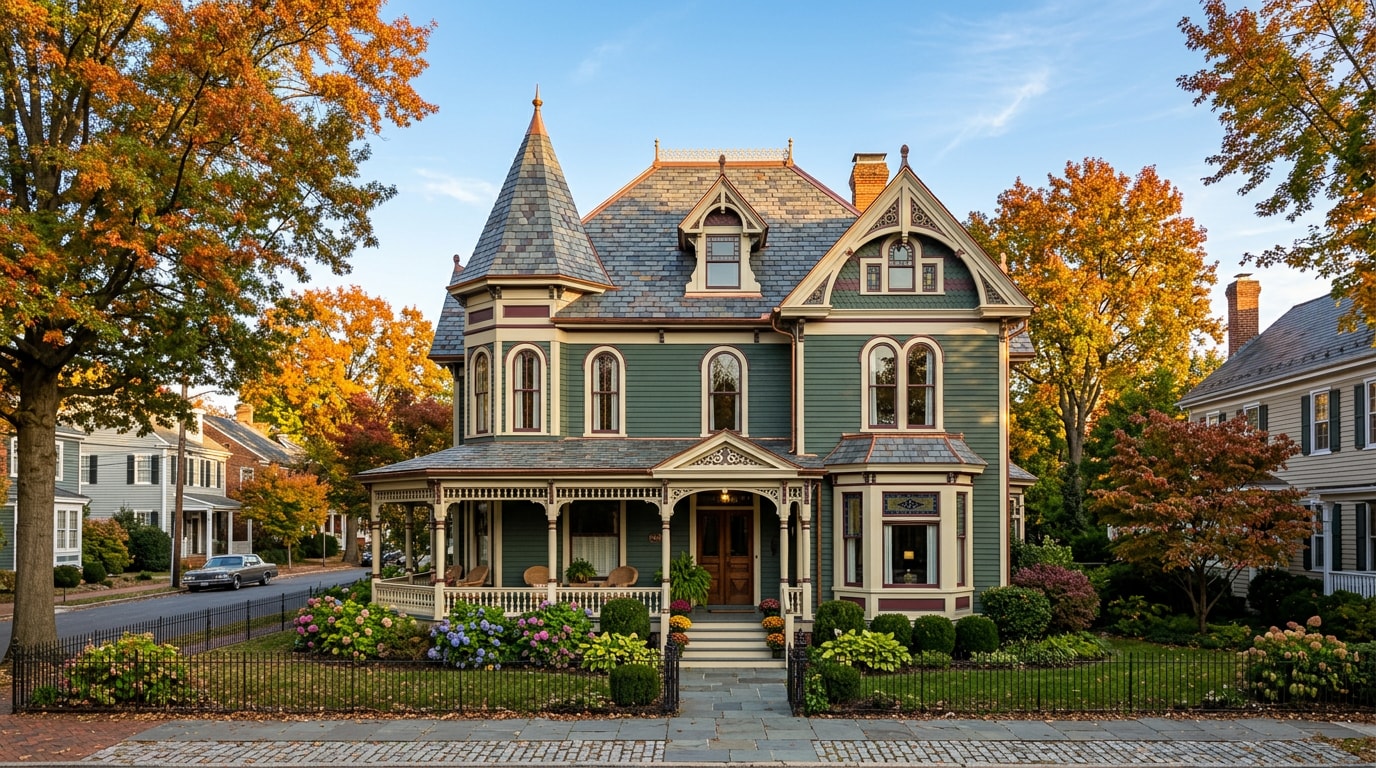
Colonial, Victorian, and Federal-style homes in Fredericksburg each pair best with a specific material, and the decision usually comes down to three factors: authenticity, weight, and budget.
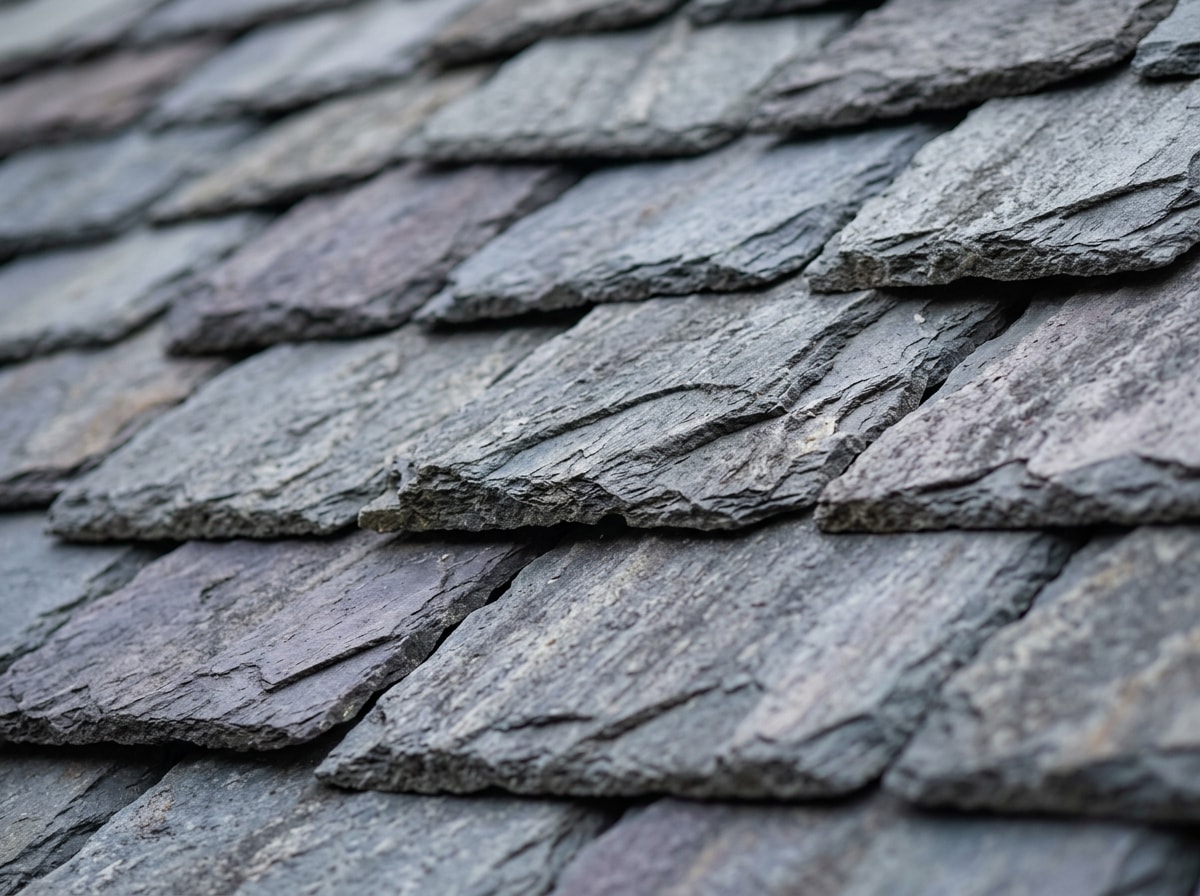
Natural slate is the historically accurate choice for 18th- and 19th-century homes. It resists fire, shrugs off hail and freeze-thaw cycles, and outlasts almost every other roofing material on the market. The tradeoff is weight. Quarter-inch thick slate weighs approximately 935 pounds per square when laid with a standard 3-inch headlap, while half-inch slate weighs approximately 18.70 pounds per square foot. That's enough added load that at these weights, a structure that never previously carried slate should be evaluated by a licensed structural engineer to determine whether supplemental framing is needed. For many older Fredericksburg homes built for asphalt or wood shingle, that reinforcement step adds real cost on top of the material itself.
Synthetic slate mimics the look of natural stone at a fraction of the weight, which is why it's become the practical choice when a roof's framing can't carry quarried slate or a budget can't stretch to it. It's also frequently the material the Architectural Review Board will approve as a substitute, provided the profile and color match historic documentation closely enough.
Standing seam metal suits farmhouses and later 19th-century Federal-style homes reasonably well. It's efficient, recyclable, and pairs with solar, but it won't replicate slate's silhouette, which is why it rarely wins the debate on a documented historic structure.
If your framing can't carry natural slate and you're set on the historic look, our synthetic slate installation and synthetic slate repair services are built around exactly this tradeoff.
Slate Roofing Costs in Fredericksburg, VA (2026)
Material is the single biggest swing factor in any slate quote. Virginia homeowners pay an average of $8,315 for a new roof, with costs ranging from $6,774 to $19,409 across all material types, and slate sits well above that baseline on a per-square-foot basis.
Natural slate runs roughly $15 to $30 per square foot installed, with hard imported slate pushing higher, and a hard natural slate roof can last 75 to 150-plus years compared to 40 to 70 years for standing seam metal at the high end. Synthetic slate narrows the cost gap considerably: synthetic options run roughly $4 to $12 per square foot, though the best synthetic slate only lasts 40 to 50 years, which is just 30 to 60 percent of natural slate's lifespan.
| Material | Installed Cost (per sq. ft.) | Typical Lifespan |
|---|---|---|
| Asphalt shingles | $4–$7 | 20–30 years |
| Standing seam metal | $7–$18 | 40–70 years |
| Synthetic slate | $4–$12 | 40–50 years |
| Natural slate | $15–$30 | 75–150+ years |
Slate's cost looks steep against asphalt until you factor in replacement cycles. A slate roof can outlast three to five asphalt reroofs over the same timeframe, which changes the lifetime math even if the upfront number is harder to swallow. If you're comparing material categories for a Fredericksburg home, our composition roofing cost breakdown covers the asphalt side of that comparison in more detail.
Ready to get real numbers for your roof instead of a range? Request a free estimate and we'll walk the structure before quoting anything.
Permits and Historic District Rules: What Homeowners Get Backwards
This is the part of the process most homeowners misunderstand, and it runs in the opposite direction from what you'd expect.
Most people assume a historic district makes permitting harder. On the state building-permit side, it's actually the reverse: Virginia's building code exempts replacement siding, roofing, and windows in buildings within a historic district designated by a locality from the standard permit application requirement. So in many cases, a straightforward slate or synthetic slate re-roof inside Fredericksburg's historic district doesn't trigger a state building permit at all.
That exemption does not touch the city's separate preservation ordinance. The Historic District Ordinance requires that property owners within the district obtain a Certificate of Appropriateness from the Architectural Review Board before making exterior alterations to their buildings, and a roof replacement counts as a visible exterior alteration every time. Skip the building permit question entirely, and you can still get stopped cold by the ARB if the Certificate of Appropriateness was never filed.
Practically, that means two separate approvals can apply to the same project, from two separate agencies, on two separate timelines, and only one of them is a traditional "permit." A contractor who doesn't separate these two processes for you is a red flag.
What's Changing in Fredericksburg Roofing for 2026
Material availability and structural cost are driving more decisions than style preference right now. More downtown historic homeowners are specifying synthetic slate specifically because it clears ARB review without triggering a structural engineering assessment, while homes outside the district increasingly pair roof replacement with solar-ready standing seam metal. Full roof tear off projects are also uncovering more deteriorated original decking than owners expect, which is part of why a line-item quote matters more than a single bottom-line number.
A Recent Slate Restoration Near Downtown Fredericksburg
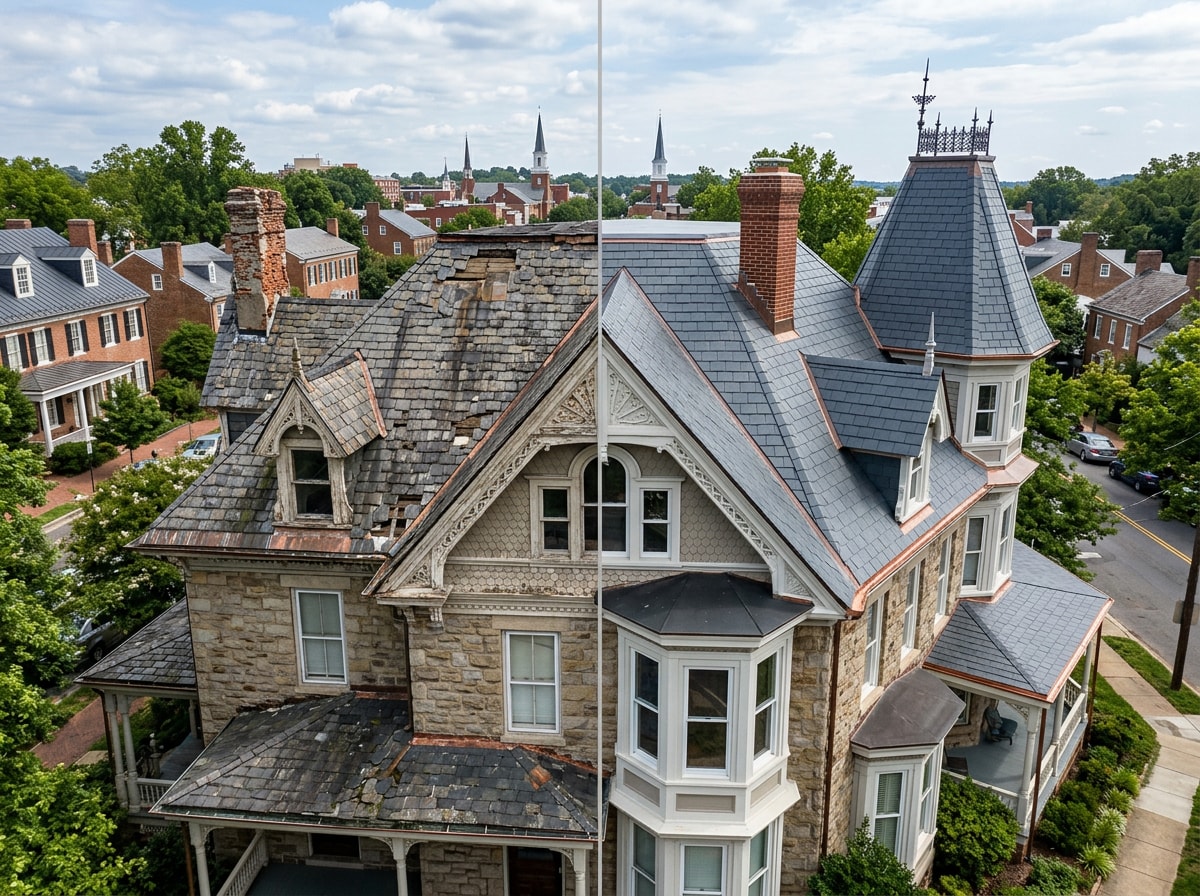
On a recent project near Fredericksburg's downtown historic district, our crew worked with a homeowner whose original slate had deteriorated past the point of economical repair. Our lead estimator coordinated the Certificate of Appropriateness application with the ARB before any material was ordered, since the city won't issue sign-off after the fact. Once the synthetic slate profile and color were approved as a historically consistent match, the crew replaced failing flashing, corrected a long-standing ventilation gap at the ridge, and installed the new system. The result held the street-facing appearance the district requires, on a budget that quarried slate and full structural reinforcement would have blown past.
How to Choose a Slate Roofing Contractor in Fredericksburg
Slate and synthetic slate work exposes bad contractors fast, because mistakes show up as cracked tiles, failed flashing, or a rejected ARB application. Before hiring, confirm:
- ARB experience. Ask how many Certificates of Appropriateness they've actually filed, not just how many roofs they've installed.
- Structural assessment capability. A contractor should flag weight concerns before quoting, not after tear-off starts.
- Manufacturer-backed synthetic options. If natural slate isn't feasible, the synthetic product should carry a real manufacturer warranty, not just a workmanship guarantee.
- A line-item quote. Tear-off, decking repair, reinforcement, and the slate itself should be priced separately, not bundled into one number.
- Local accountability. A crew that's handled emergency roof repair and roof repair calls in your specific neighborhood knows the ARB reviewers and the local building department by name.
Style Installations Inc. works these jobs throughout Fredericksburg, VA and across Northern Virginia. Visit our homepage to see the full scope of services, or go straight to requesting a free estimate if you already know what your roof needs.
FAQ
Do I need a permit to replace a slate roof in Fredericksburg, VA?
Often no, on the state side. Virginia's building code exempts replacement roofing in buildings within a locally designated historic district from the standard permit application. But you still need a Certificate of Appropriateness from the Architectural Review Board before the work starts if the home sits inside the historic district, since that's a separate city requirement, not a building permit.
How long does a slate roof last?
A properly installed natural slate roof lasts 75 to 150-plus years. Synthetic slate typically lasts 40 to 50 years. Actual lifespan depends on slate grade, installation quality, and ongoing maintenance.
How much does a slate roof cost in Fredericksburg?
Natural slate generally runs $15 to $30 per square foot installed, while synthetic slate runs $4 to $12 per square foot. See the comparison table above for a full breakdown against asphalt and metal.
Is a slate roof worth the investment?
For historic-home owners, slate usually pays off through longevity, resale value, and compliance with ARB appearance standards. Weigh the higher upfront cost against decades of avoided replacements and preserved architectural character.
How heavy is a slate roof, and can my home support it?
Quarter-inch natural slate weighs about 935 pounds per square, and half-inch slate runs heavier still. Most homes never originally built for slate need a structural engineer's evaluation before installation; synthetic slate avoids this issue almost entirely.
Should I choose natural or synthetic slate for a historic home?
If your framing can already support the weight and budget allows it, natural slate is the historically accurate choice. If reinforcement costs or weight limits are a problem, synthetic slate is usually the ARB-approvable alternative that still passes a street-view appearance review.