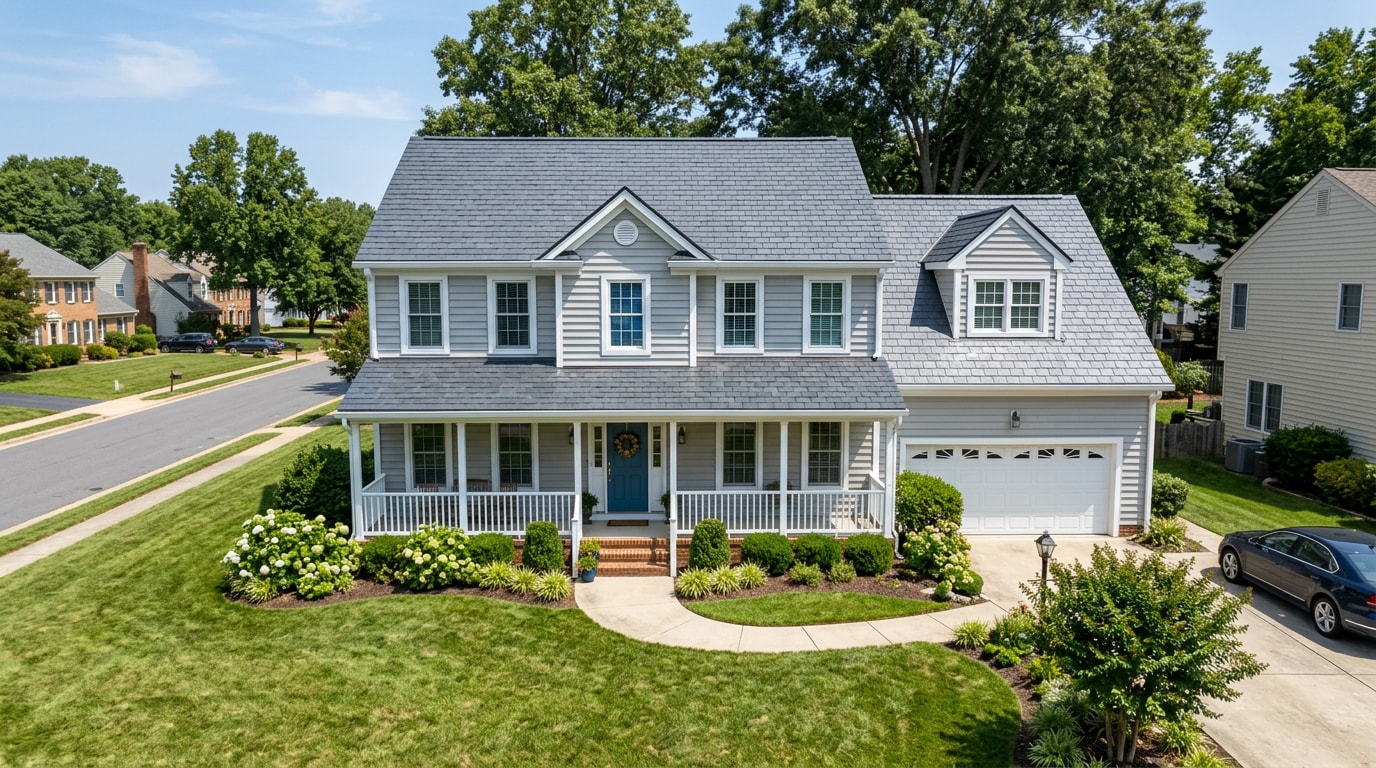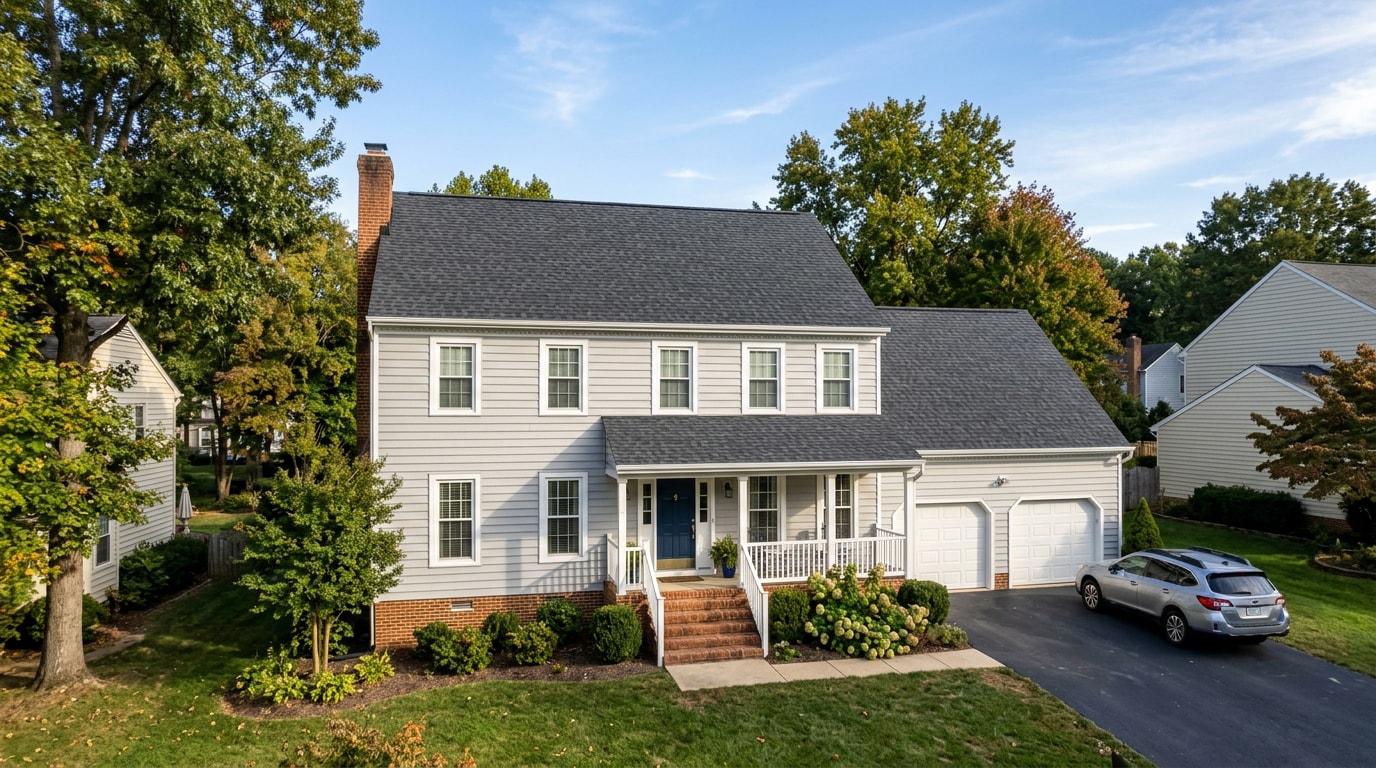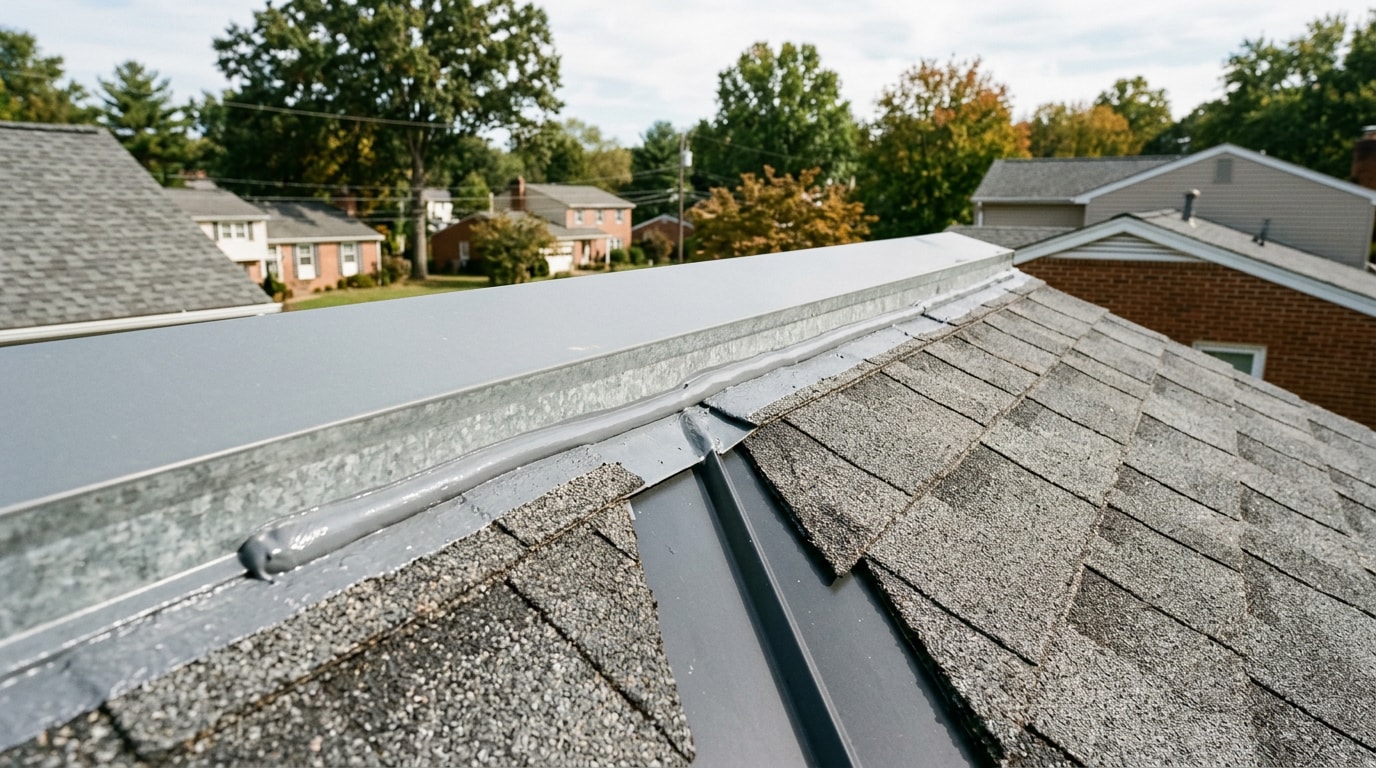
Roof sealant for shingles in Fairfax, VA can add years to an aging asphalt roof, but only if you match the right chemistry to your roof's actual problem and apply it correctly. Humid summers, sudden downpours, and winter freeze-thaw swings all work against shingle seams, and a sealant that isn't built for that cycle fails fast. This guide breaks down what actually matters: the product categories, the specific items pros reach for, and the application steps that determine whether the job holds.
Why Fairfax, VA Homes Need Roof Sealant for Shingles
Asphalt shingles take continuous abuse from rain, wind, ice, and direct sun. Over time that exposure dries out the asphalt coating, loosens granules, and opens small gaps at seams and nail heads. Roof sealant fills those vulnerable points and forms a barrier that keeps water from working its way underneath the shingle layer.
Homeowners in Fairfax, VA tend to notice wear first around flashing, ridge caps, and valleys, the spots where shingles already take the most stress from wind-driven rain and ice buildup. Left alone, small cracks at these points widen each season until they turn into active leaks.
Used proactively rather than only after a leak shows up, a properly matched sealant can slow granule loss and buy time before a full roof replacement is needed. It is a maintenance tool, not a substitute for one.
Key Factors to Consider When Choosing a Roof Sealant
Not every sealant solves the same problem. Before buying, weigh these three factors against your roof's actual weak point rather than defaulting to whatever is cheapest on the shelf.
Waterproofing Ability
Rubberized and silicone formulas are generally the strongest performers for waterproofing because they create a flexible, water-shedding barrier instead of a rigid film. That flexibility matters because shingles move slightly with temperature and moisture. A sealant that can't flex tends to crack at the exact seams it was meant to protect.
UV Protection and Energy Savings
Constant sun exposure dries out asphalt shingles, making them brittle and prone to cracking years before they would otherwise need replacement. Reflective, UV-resistant coatings slow that breakdown and reduce how much heat the roof surface absorbs.
The energy impact is well documented. A cool roof can reduce air conditioning costs inside a building on a hot day and even cool down the air around the building, helping to reduce the heat island effect in your neighborhood , according to the U.S. EPA's ENERGY STAR program. For a Fairfax summer, that is a meaningful side benefit on top of leak prevention.
Flexibility and Adhesion
A sealant that can't expand and contract with the roof deck will eventually crack, no matter how well it adheres on day one. Fairfax's hot summers followed by freezing winters put real stress on rigid materials, so look for products specifically marketed as flexible or elastomeric.
Top Roof Sealants for Asphalt Shingle Roofs in 2026
Most roof sealants fall into four broad categories, each suited to a different priority.
| Category | Best Suited For | Example Product |
|---|---|---|
| Silicone | Overall durability, UV and sun exposure | Henry 887 Tropi-Cool |
| Rubber/Asphalt Filler | Budget option, small repairs | DAP Waterproof Asphalt Filler |
| Rubberized Membrane | Long-term flexibility | Liquid Rubber Waterproof Sealant |
| Polyurethane | Standing water, heavy rain, flashing seams | Sashco Through the Roof |
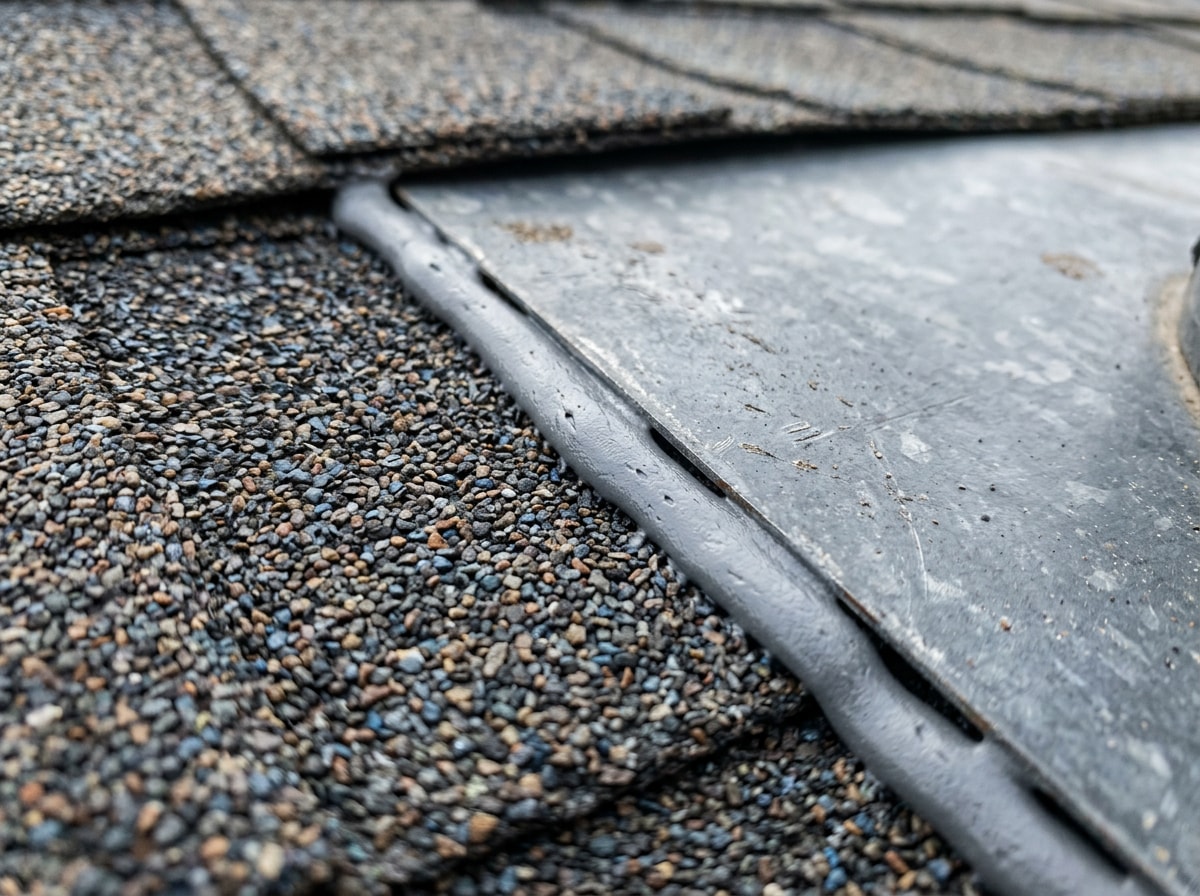
Sashco Through the Roof Sealant
Sashco Through the Roof has a reputation for versatility, including the ability to apply over damp surfaces when conditions aren't ideal. It stays elastic across a wide temperature range, which helps it survive Fairfax's seasonal swings without cracking at the edges. Many contractors keep it on hand for flashing seams and vent boots specifically for that flexibility.
DAP Waterproof Asphalt Filler & Sealant
This is typically the budget pick, well suited to small cracks, nail holes, and minor patch jobs rather than full-roof coverage. It applies with a standard caulking gun or trowel, which makes it a reasonable option for a homeowner comfortable doing minor spot repairs. It is not designed to replace a full sealant system on a roof with widespread wear.
Henry 887 Tropi-Cool Silicone Roof Coating
Henry's 887 Tropi-Cool is a premium, 100% silicone, moisture-cure coating designed to reflect the sun's heat and UV rays as well as protect many types of roofs . It also carries a wide application temperature range from 35 °F to 120 °F (2 °C to 49 °C) , per the manufacturer's technical data sheet, which matters in a climate that swings from summer heat into winter cold within the same season.
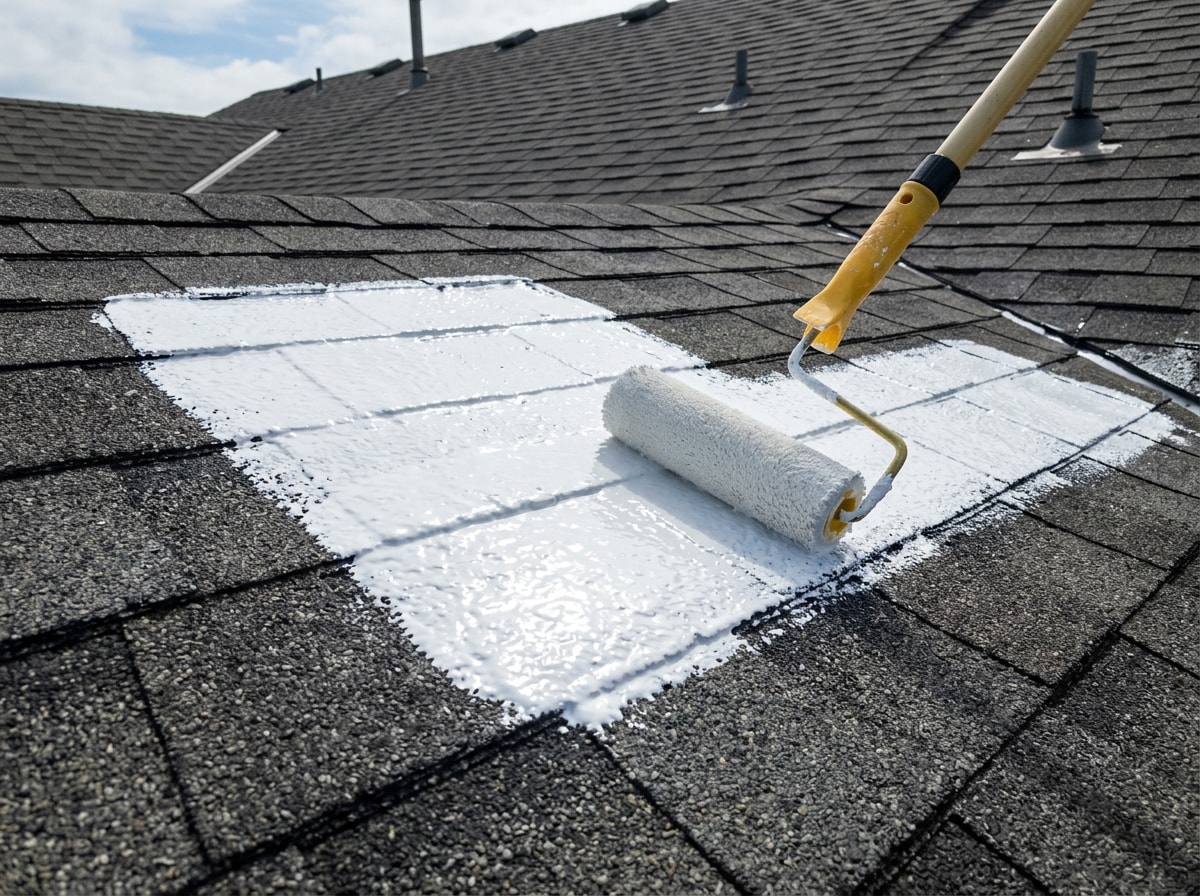
Liquid Rubber Waterproof Sealant
Liquid Rubber is positioned around long-term durability, with a flexible rubberized membrane meant to resist UV breakdown over time. It is a reasonable fit for homeowners planning to stay in a home long enough to want a sealant that won't need reapplication every year or two.
Black Jack Roof Cement / Elastomeric Coating
Black Jack shows up under slightly different names depending on the retailer, sometimes as an elastomeric coating and sometimes as an all-weather roof cement, but the use cases are similar. It works for quick emergency patches on an active leak, and some formulations suit broader coating jobs. Confirm which specific version you're buying before assuming full-roof coverage versus spot-patch use.
For Fairfax's mix of humid summers and freeze-thaw winters, silicone and polyurethane options tend to hold up best since both resist moisture intrusion while staying flexible through temperature swings. If you're weighing a spot repair against something larger, a quick call to a local roofing contractor can save you from buying the wrong product.
How to Apply Roof Sealant the Right Way
Picking the right product only solves half the problem. Surface prep, weather timing, and cure time determine whether any sealant actually lasts.
Prep the Roof First
- Clear away debris, moss, and loose granules from the work area.
- Inspect for soft spots, lifted shingles, or exposed nail heads.
- Repair or replace damaged shingles before sealing. Sealant over hidden damage just masks the problem.
- Dry the surface completely unless your product is rated for damp application.
This level of prep is fine for small, ground-accessible spot repairs, but it is not a substitute for a full inspection on an older roof where damage may not be visible from the surface. A roof repair specialist can catch problems a homeowner on a ladder will miss.
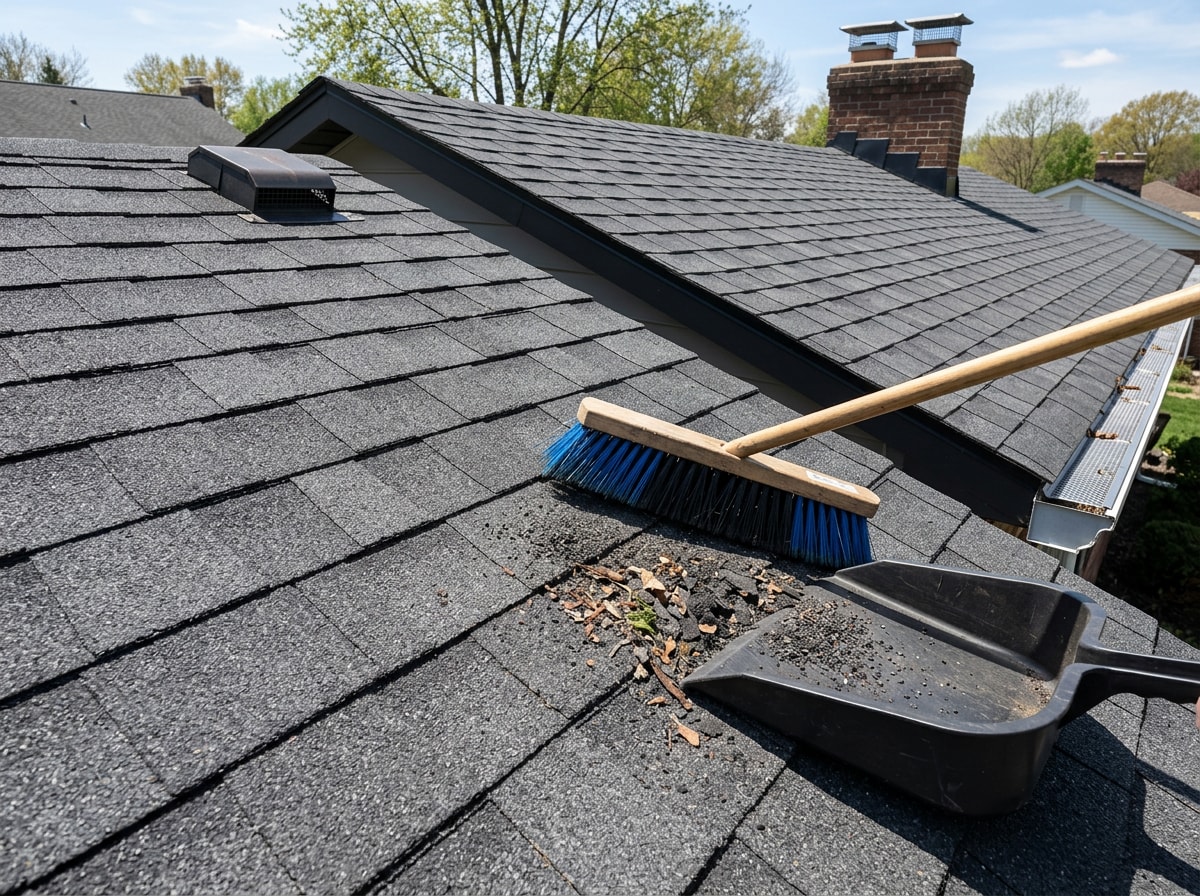
Roof work also carries real fall risk. Falls are the leading cause of work-related deaths among residential construction workers , and residential construction employers generally must ensure that employees working six feet or more above lower levels use guardrails, safety nets, or personal fall arrest systems , per OSHA's fall protection guidance. That standard exists because the risk is real for professionals with the right gear. For a two-story Fairfax roof, hiring a licensed crew is the safer call for anything beyond a ground-accessible patch.
Give It Proper Cure Time
Cure times vary by product and weather. Henry's 887 Tropi-Cool, for example, is rated for a tack-free time of 1 to 2 hours and a full cure window of several hours depending on temperature and humidity, per its technical data sheet. Always check the specific product's data sheet rather than assuming a universal timeline, and time the application around a dry forecast since rain exposure during curing can weaken the seal before it sets. Rushing this step is one of the most common reasons a sealant job fails early.
Roof Sealant vs. Calling a Professional
Sealant can extend shingle lifespan, slow water intrusion, and head off mold or rot from slow leaks, often at a fraction of the cost of a full roof section replacement. Those are real advantages for a roof that is otherwise in decent shape.
That said, sealant is not a permanent fix for widespread or severe shingle damage. NRCA has published a homeowners guide for inspection, maintenance, and repair of asphalt shingle roof systems that provides industry guidelines for proactive maintenance , and the consistent theme across that guidance is that sealant and caulking are maintenance steps, not a replacement strategy. If granule loss, curling, or soft decking is widespread, you're looking at roof repair or roof replacement, not a tube of sealant.
If you're not sure which category your roof falls into, our crews have walked enough Fairfax rooftops to know the difference between a seam that needs a bead of sealant and a section that needs to come off the deck entirely. We've also covered how different roofing systems hold up over time in our guide to installing metal roofing on a shed in Gainesville, VA, which is a useful comparison if you're weighing materials beyond asphalt for an outbuilding or accessory structure.
A leak that shows up overnight doesn't wait for a scheduled inspection. If water is actively coming through, our emergency roof repair team responds fast to stop the damage before it spreads to decking and insulation.
Conclusion
There is no single "best" roof sealant for every situation. Small cracks call for a budget filler like DAP, UV-heavy roofs benefit from a reflective silicone coating like Henry's 887 Tropi-Cool, and roofs dealing with standing water do better with a polyurethane or rubberized product like Sashco or Liquid Rubber. Matching the sealant to the actual problem, rather than defaulting to whatever's cheapest or most popular, is what determines whether the repair holds through a Fairfax winter.
If you'd rather have a licensed crew assess the roof and apply the right product the first time, get a free estimate from the team at Style Installations Inc.
FAQ
How long does roof sealant last?
It depends heavily on the chemistry. Asphalt-based fillers generally need refreshing every few years, while silicone and polyurethane coatings are built for longer service life. Always check the manufacturer's technical data sheet, such as Henry's published specs for its Tropi-Cool line, for documented cure times and warranty terms before buying.
Can sealant be used on shingles?
Yes, with limits. Sealant works well for small cracks, exposed nail heads, and localized seam repairs on asphalt shingles, extending their useful life without a full replacement. It is not designed to fix widespread granule loss, curling, or structural shingle failure, which generally call for shingle replacement instead of a sealant patch.
Can you apply roof sealant yourself?
Small, ground-accessible spot repairs are reasonably DIY-friendly for a comfortable homeowner with the right tools. Larger areas, steep slopes, or hard-to-reach sections carry more risk to both application quality and personal safety. For anything beyond a minor patch, get a quote from a licensed Fairfax-area roofing contractor rather than risking an incomplete repair.
What is the best way to seal asphalt shingles?
Polyurethane sealants and silicone coatings are generally preferred for bonding and sealing asphalt shingles because both offer strong adhesion and flexibility across temperature swings. The right choice usually comes down to whether the priority is water resistance, UV protection, or quick patch strength.
Does roof sealant stop an active leak?
It can slow or stop a small, localized leak at a seam, nail head, or flashing joint if the surrounding shingle is otherwise sound. It will not stop a leak caused by rotted decking, widespread shingle failure, or a problem hidden under multiple roofing layers. If water is actively entering the attic, treat it as an emergency and call for emergency roof repair rather than relying on a patch.
How much does it cost to have a roof sealed professionally in Fairfax, VA?
Cost depends on roof size, pitch, and how much prep and repair the roof needs before sealant goes on. A single seam or flashing repair costs far less than coating an entire roof plane. The most reliable way to get an accurate number is a site visit, which you can request through a free estimate.