If you're trying to match the metal roof types of roofing sheets names Reston, VA homeowners mention most, you're starting in the right place. Standing seam, corrugated, shingle, and tile all get used loosely online. Most of the confusion comes down to one thing: people mix up the shape of the sheet with the metal it's made from.
This guide splits the topic the way the industry actually organizes it. First, panel profile, meaning the shape of the sheet and how it fastens to the deck. Second, metal type, meaning the raw material (steel, aluminum, copper, or zinc) that drives cost, weight, and lifespan.
Metal Roofing Panel Types and Roofing Sheet Names
Panel type describes the shape of a sheet and how it attaches to the roof deck. It has nothing to do with the metal underneath.
Two identical steel sheets can be sold under very different roofing sheet profile names depending on whether they use exposed or concealed fasteners. That distinction causes more buyer confusion than almost anything else in this category, so it's worth untangling first.
Corrugated Metal Roofing Sheets
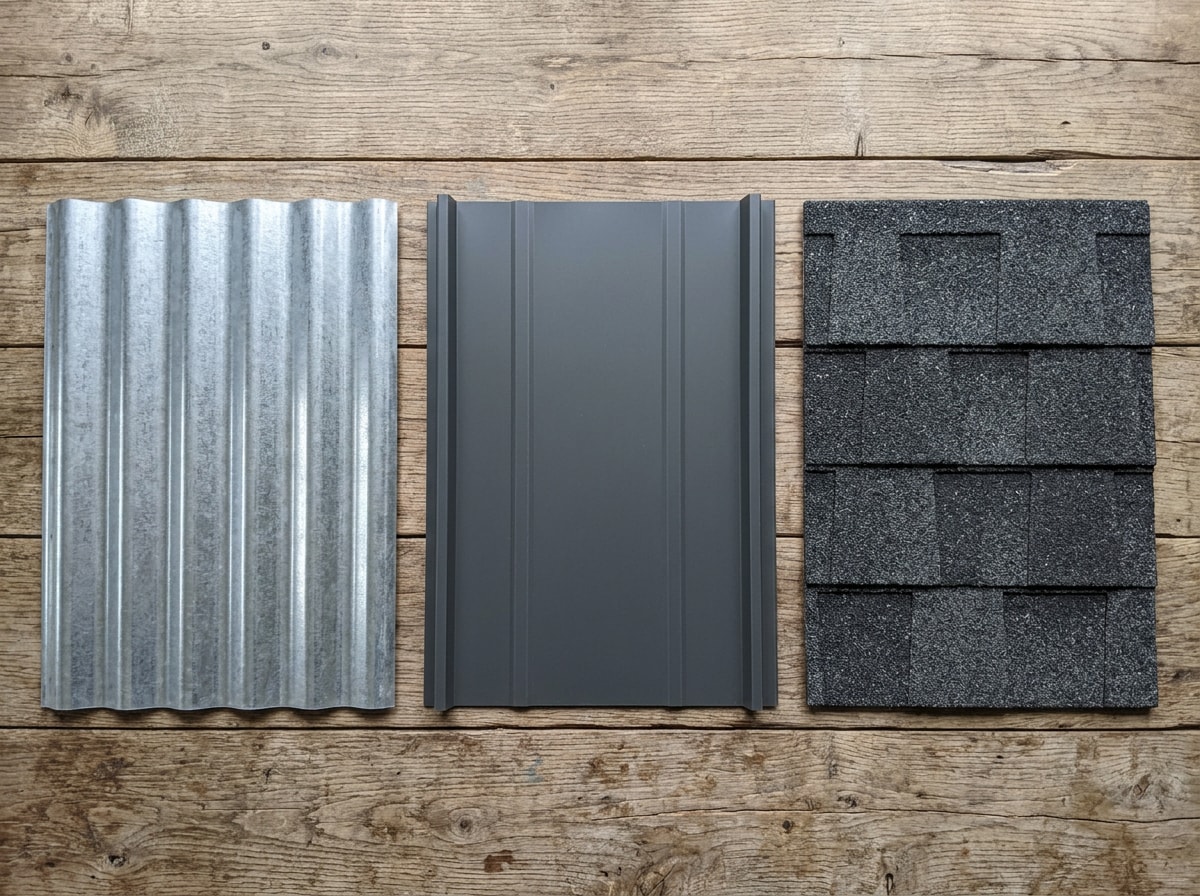
Corrugated metal roofing sheets use a wavy, repeating-wave profile with fasteners driven through the exposed face of each rib. This exposed-fastener design is the oldest and most recognizable metal roofing style. It's commonly found on sheds, barns, garages, and budget-conscious residential projects.
Corrugated sheets are generally the most DIY-friendly option here. They typically carry the lowest price tag among exposed-fastener panels. The trade-off is maintenance: exposed screws can loosen or wear out their washers over time.
On service calls across Reston, loose exposed fasteners are the single most common repair we see on older corrugated roofs, not failure of the panel itself. Most corrugated sheets ship in steel or aluminum, with wave height and rib spacing varying by manufacturer.
Standing Seam Metal Roofing
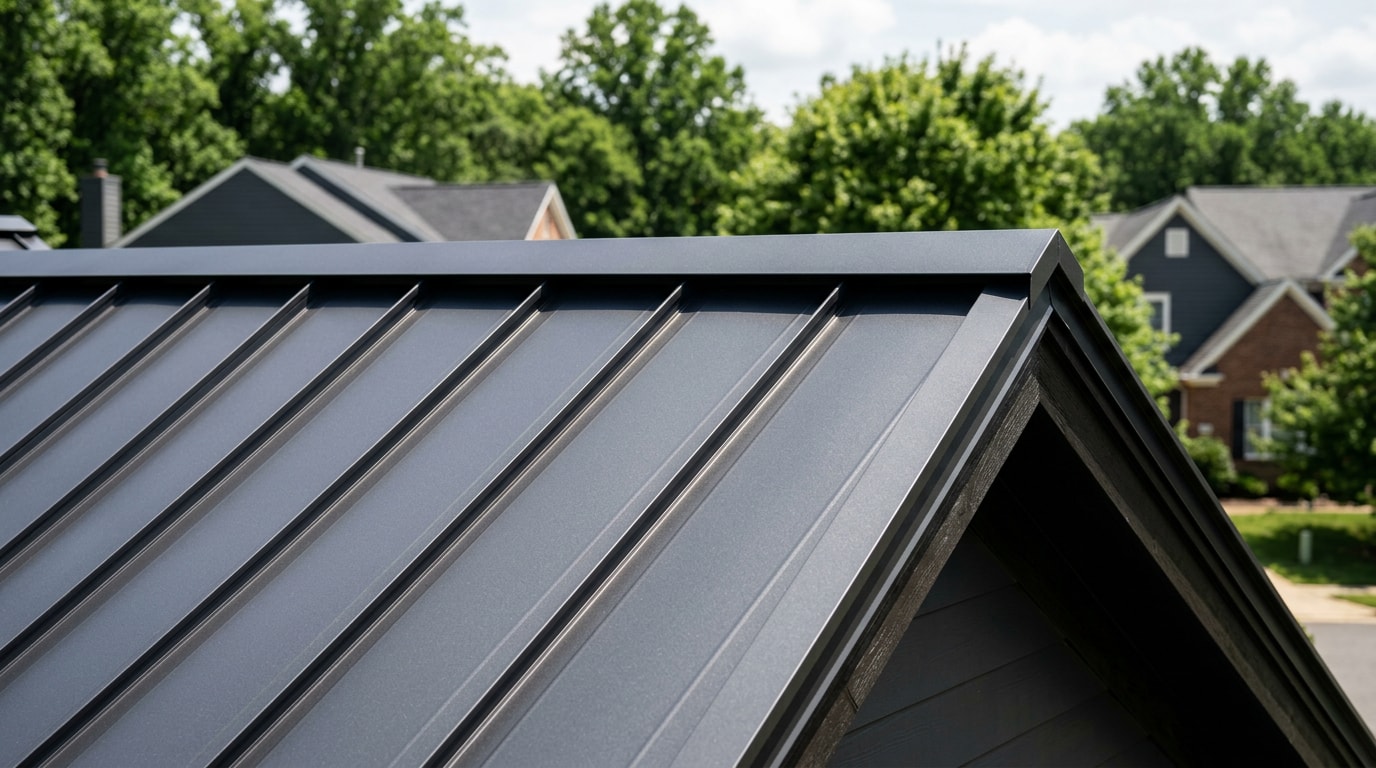
Standing seam metal roofing is a concealed-fastener system where adjacent sheets interlock along raised vertical seams, hiding every screw beneath the metal itself. This design is widely considered the most weather-resistant metal roof type available for homes.
The performance advantage isn't just marketing language. Because fasteners sit under the seam rather than punched through the panel face, there's no exposed screw hole for water to exploit after years of thermal expansion and contraction. Interlocking panels also let each sheet shift slightly with temperature swings without stressing the fastener points, which is a major reason standing seam systems are typically specified against industry wind-uplift test methods such as ASTM E1592, and why the Metal Construction Association has developed dedicated flashing test standards to keep edge details performing in high wind.
If you're weighing a concealed-fastener panel against a budget corrugated option, talking it through with a professional roof installation team can clarify which fits your roof's slope and exposure.
Metal Shingles
Metal shingles are stamped or pressed to mimic traditional asphalt shingles, wood shake, or slate while keeping the durability of metal underneath. They're typically sold as interlocking panels or shingle-style sections instead of long continuous sheets, with finishes ranging from stone-coated granules to smooth painted steel.
Homeowners in established neighborhoods often pick metal shake panels to keep a traditional silhouette without giving up metal's longevity. If that look appeals to you, compare it against synthetic shake installation, since both products target a similar visual goal through different materials.
Metal Tiles
Metal tile and metal slate roofing sheets are profiled to replicate clay tile's barrel curves or slate's layered texture, at a fraction of the weight and often a fraction of the cost. Manufacturers stamp these panels in multi-tile sections, so installation moves faster than laying individual clay or slate pieces.
As a clay tile alternative, metal tile panels appeal to homeowners who like a Mediterranean or Spanish roofline but want to skip the weight load and fragility of real tile. If slate is closer to your style, synthetic slate installation is another route worth comparing against metal slate profiles.
Ribbed Metal Roofing Panels / R-Panel and U-Panel Metal Sheets
Ribbed metal roofing takes a boxier, more angular shape than wavy corrugation, with flat pans between taller trapezoidal ribs. This panel family is sold under several names, including R-panel, PBR panel, AG panel, and U-panel, which generally describe the same basic rib structure with minor differences in spacing and purlin bearing.
These names show up most often on commercial buildings, warehouses, and agricultural structures, where exposed-fastener ribbed panels cover wide spans at a lower material cost than standing seam. On a house, you're less likely to encounter R-panel or U-panel than corrugated or standing seam options.
Metal Roofing Materials: Which Metal Is Right for Your Panels
Panel profile is only half the equation. The metal itself, whether steel, aluminum, copper, or zinc, drives most of the cost, weight, and lifespan difference between two roofs that otherwise look similar.
Steel Roofing
Steel is the most widely installed roofing metal, usually sold as galvanized steel (zinc-coated) or Galvalume (an aluminum-zinc alloy coating) to resist rust. When someone says "metal roof" without naming a material, they usually mean steel, since it balances cost, strength, and availability better than the alternatives.
Steel is also what's commonly sold today under the old "tin roof" nickname, even though actual tin hasn't been standard roofing material in generations. Light, reflective-coated steel panels can also help reduce summer cooling loads; ENERGY STAR lists metal among its common cool-roof materials when it carries a high solar-reflectance finish.
Aluminum Roofing
Aluminum roofing sheets weigh less than steel and never rust, since aluminum forms its own protective oxide layer instead of corroding. That corrosion resistance makes aluminum a common pick in coastal or high-humidity climates, where salt air eats through weaker coatings faster.
The trade-off is cost. Aluminum typically runs higher than galvanized steel and is slightly softer, so it can dent more easily under hail or foot traffic.
Copper Roofing
Copper roofing sheets start bright and penny-colored, then weather to brown before developing the blue-green patina many buyers specifically want. Copper can last well beyond a century with no coating at all, making it one of the longest-lived metal roofing materials available.
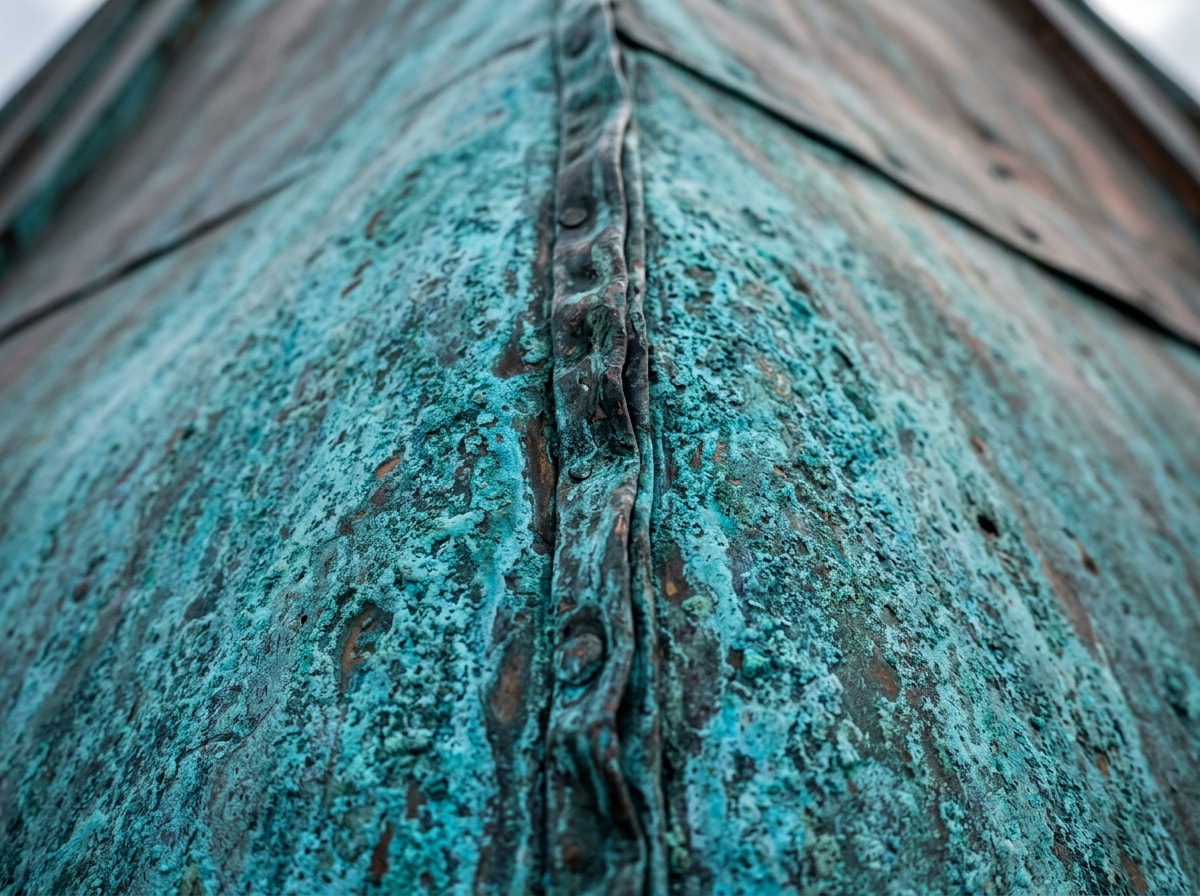
That longevity comes at a premium, so copper usually shows up as an accent on dormers, bay windows, or porch roofs rather than covering a whole house.
Zinc Roofing
Zinc roofing sheets share copper's self-healing quality: small surface scratches oxidize and seal themselves over time. Zinc also develops its own soft gray patina instead of needing a painted finish.
Pricing sits above steel and aluminum, closer to copper. Zinc tends to appeal to homeowners who prioritize longevity and a distinctive matte look over upfront cost.
Factors That Affect the Price of Metal Roofing
Panel profile, metal type, gauge, and finish each push price up or down independently. That's why two "metal roofs" can carry very different quotes. Exposed-fastener panels like corrugated or ribbed sheets cost less than concealed-fastener standing seam, mainly due to labor and fabrication complexity rather than the raw metal itself.
| Panel Type | Relative Cost | Typical Lifespan | Best-Fit Use Case |
|---|---|---|---|
| Corrugated | $ | 20-40 years | Sheds, garages, budget re-roofs |
| Ribbed (R-panel/U-panel) | $$ | 25-40 years | Commercial, agricultural buildings |
| Metal shingle/tile | $$$ | 30-50 years | Traditional-look residential roofs |
| Standing seam | $$$$ | 40-70+ years | Long-term residential, coastal exposure |
These figures vary by region, installer, and material grade, so treat the table as a starting comparison rather than a quote.
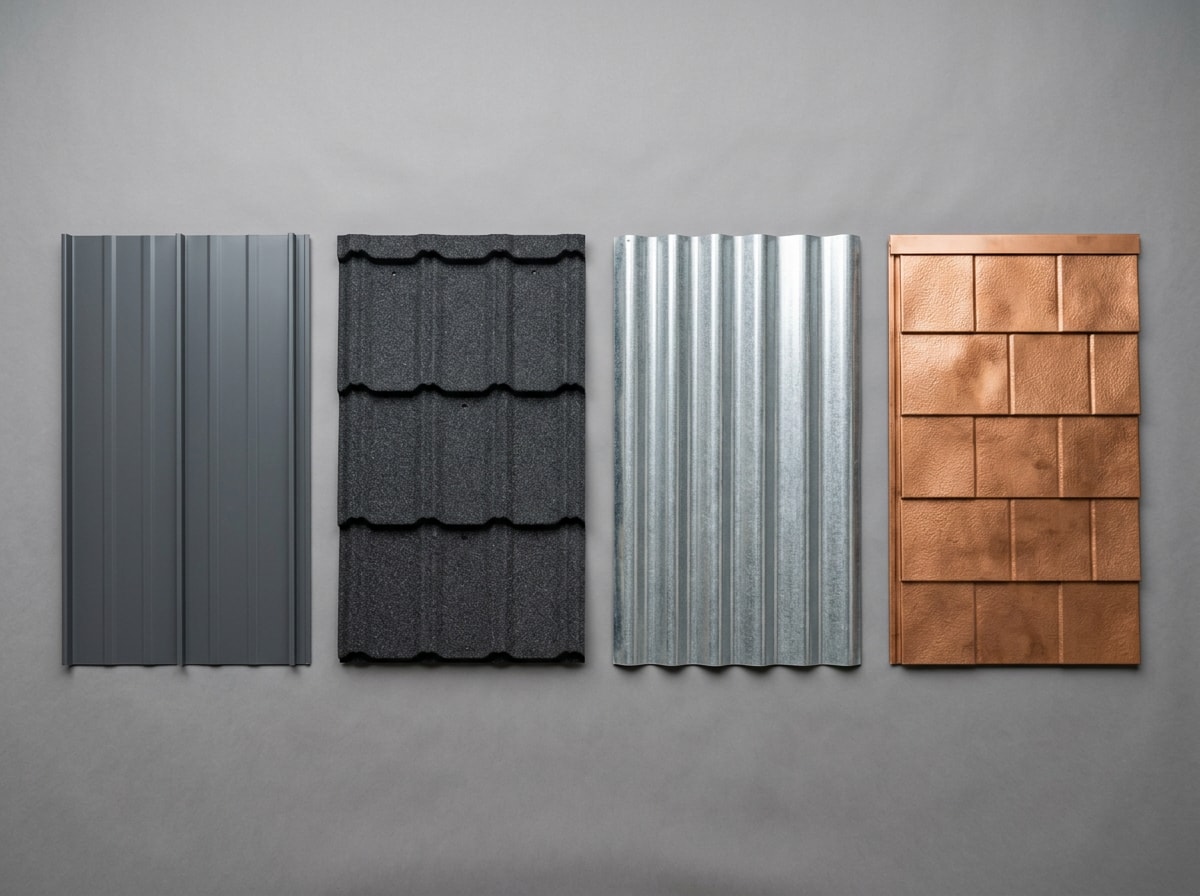
Residential metal roofing is typically fabricated from 24- or 26-gauge steel; lower gauge numbers mean a thicker, more dent-resistant panel. Ask any installer you're comparing to confirm gauge in writing, since it isn't always obvious from a sample chip alone.
Choosing Metal Roofing for a Reston, VA Home
A few local factors narrow the field faster than browsing panel names alone.
- Humidity and storms. Reston's humid summers and seasonal thunderstorms make corrosion resistance and wind performance real factors, not just marketing checkboxes, especially on exposed roof planes.
- HOA and design review. Many Reston neighborhoods carry homeowner association covenants that govern exterior changes. Confirm panel profile and color approval before you finalize a product, not after delivery.
- Attic ventilation. Metal panels perform best with correctly balanced intake and exhaust airflow underneath them; our guide to roofing ventilation and energy efficiency in Reston, VA covers how that affects both comfort and panel lifespan.
For a closer look at how these panel types perform locally, our guide to different types of metal roofing in Reston, VA walks through additional install and maintenance details.
How to Match the Right Panel and Metal to Your Roof
Climate is usually the first filter. Coastal or humid properties lean toward aluminum or zinc for corrosion resistance, while inland homes have more flexibility to prioritize budget or looks.
Next, weigh cost against how long you plan to stay in the home. Corrugated or ribbed panels suit a shorter horizon, while standing seam or zinc pay off over decades.
DIY installation is realistic for small corrugated projects but not advisable for standing seam, metal shingle, or metal tile systems, which rely on precise seaming and flashing work. Whichever metal roof types of roofing sheets names you're comparing, a licensed roofing contractor can walk the roof and narrow the options based on slope, climate, and budget.
If you'd rather skip the guesswork, request a free estimate and we'll help you compare panel and material options against your specific roof.
FAQ
What is the most common type of metal roofing?
Steel, specifically galvanized or Galvalume steel, is the most common metal roofing material. It balances cost, strength, and availability better than aluminum, copper, or zinc for most residential projects.
What is the difference between standing seam and corrugated metal roofing?
Standing seam uses concealed fasteners and interlocking panels for better weather resistance, while corrugated uses exposed fasteners and costs less upfront. Corrugated suits budget and utility buildings; standing seam suits long-term residential roofs.
How long do metal roofing sheets last?
Lifespan depends on material. Steel panels typically last decades with proper coating, aluminum performs similarly with better corrosion resistance, and copper or zinc can exceed a century with minimal upkeep. See the Metal Roofing Materials section above for specifics on each.
What is the cheapest type of metal roof?
Corrugated steel panels are generally the least expensive metal roofing option, since exposed-fastener installation requires less labor and fabrication than concealed-fastener systems like standing seam.
What gauge metal roofing is best for a house?
Most residential metal roofs use 24- or 26-gauge steel. Lower gauge numbers indicate a thicker panel, which generally resists denting from hail or foot traffic better than thinner, higher-gauge sheets.
Are metal roofs noisy when it rains?
Not with proper installation. Solid decking, underlayment, and insulation absorb most rain noise, so a correctly installed metal roof isn't noticeably louder indoors than asphalt shingles.
This guide was prepared by the roofing team at Style Installations Inc, who install and repair metal, shingle, and synthetic roofing systems across Northern Virginia, including Reston, VA. Browse our full lineup of roofing and exterior services or contact us for a free estimate on your project.